
Penny-Pinching Precision: How Cheap Drones Are Breaking Expensive Armies
Low-cost technologies are reshaping modern warfare by combining scale with accuracy
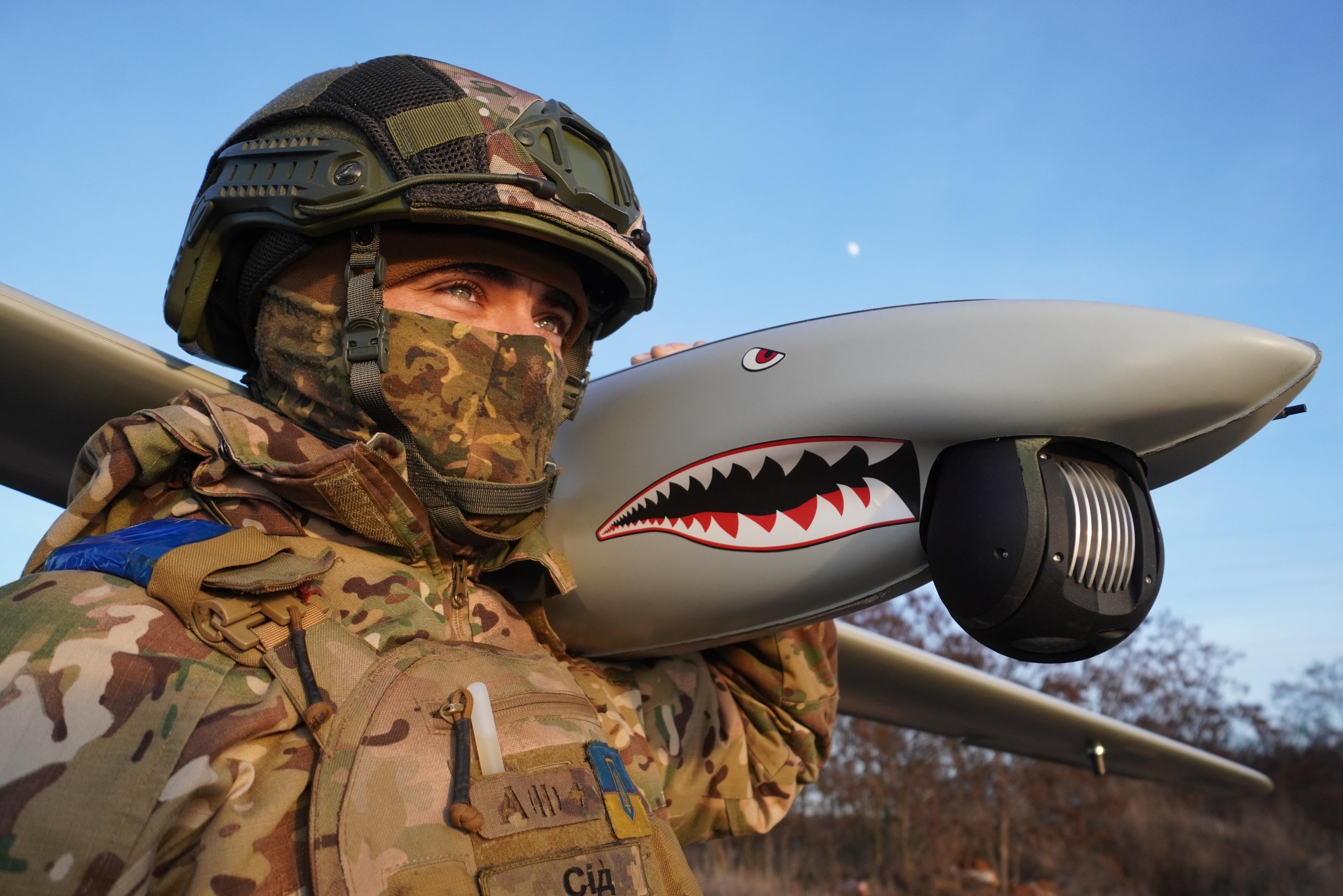
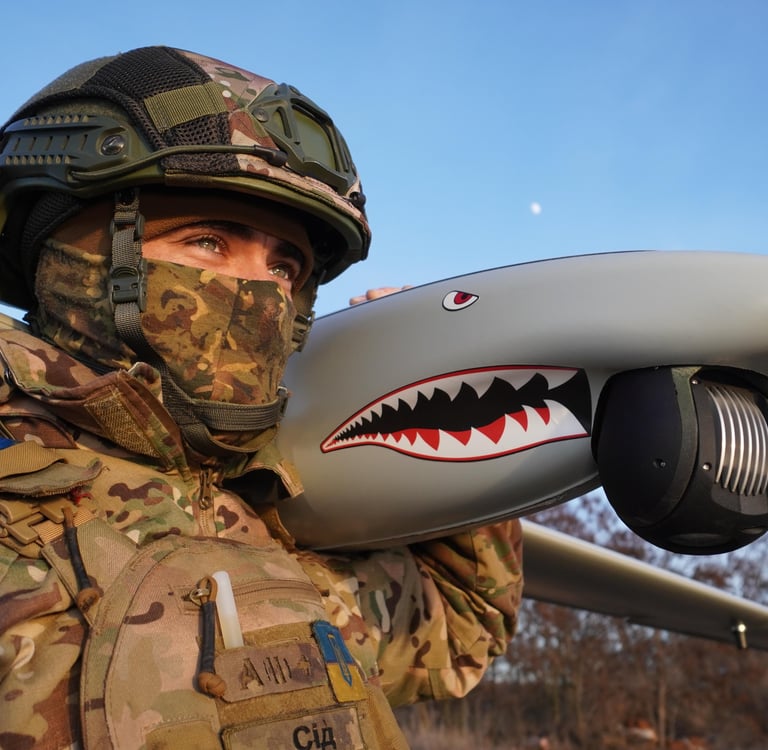
Wars in Ukraine and the Middle East have brought drones to the forefront of global attention, transforming how modern conflicts are fought. The term drone now covers a wide spectrum, from commercially available hobby devices to advanced military systems such as those used in counterterrorism operations over the past two decades. This broad category reflects the evolution of unmanned aerial systems (безпілотні літальні системи) [bezpilotni litalni systemy] and the increasing importance of technological warfare innovation (інновації у військових технологіях) [innovatsii u viiskovykh tekhnolohiiakh] in shaping battlefield dynamics.
Much like biological evolution produces distinct species from a common ancestor, drones have diversified rapidly under the pressures of modern conflict. Today, they include one-way attack drones, medium-altitude long-endurance systems, high-altitude surveillance platforms, and collaborative combat aircraft. While they share a common origin, differences in cost, range, and functionality have become increasingly pronounced. This diversification reflects a broader shift toward adaptive military technologies (адаптивні військові технології) [adaptyvni viiskovi tekhnolohii] and highlights the role of operational specialization (операційна спеціалізація) [operatsiina spetsializatsiia] in modern armed forces.
The most consequential development has been the rise of one-way attack drones. Unlike traditional aircraft, these systems are designed to strike a target directly and do not return, functioning similarly to guided munitions. Since 2022, Russia and Ukraine have deployed millions of such drones against each other, while Iran has launched thousands targeting military and strategic assets across the Middle East in 2026. These developments illustrate the growing reliance on precision strike capability (можливість точного удару) [mozhlyvist tochnoho udaru] and the increasing normalization of asymmetric warfare tactics (тактики асиметричної війни) [taktyky asymetrychnoi viiny].
The concept of “precise mass” defines this new era of warfare. Historically, military strength depended on the size of armies or the quantity of weapons. During the Cold War, emphasis shifted toward precision-guided munitions that could achieve greater impact with fewer resources. Today, inexpensive yet sophisticated drones combine both mass and accuracy, fundamentally altering strategic calculations. This convergence demonstrates the power of mass precision warfare (війна масової точності) [viina masovoi tochnosti] and reflects advancements in guided weapon systems (керовані системи озброєння) [kerovani systemy ozbroiennia].
Advances in commercial manufacturing, navigation technologies, artificial intelligence, and autonomy have expanded access to these capabilities. As a result, not only state militaries but also non-state actors can deploy effective strike systems. First-person-view (FPV) drones, which use interfaces similar to video games, are already being used by groups aligned with Iran to target military personnel. This trend highlights the spread of accessible combat technologies (доступні бойові технології) [dostupni boiovi tekhnolohii] and the implications of AI-assisted targeting systems (системи наведення з використанням штучного інтелекту) [systemy navedennia z vykorystanniam shtuchnoho intelektu].
One category of one-way attack drones focuses on long-range operations. These systems can travel hundreds or even thousands of miles to strike deep within enemy territory, functioning as low-cost alternatives to cruise missiles. For example, Iran’s Shahed-136 drone has a reported range of up to 2,000 kilometers and costs between $20,000 and $50,000, compared to significantly more expensive missile systems. This contrast underscores the strategic advantage of cost-effective strike platforms (економічно ефективні ударні платформи) [ekonomichno efektyvni udarni platformy] and the disruption of traditional military cost structures (структури військових витрат) [struktury viiskovykh vytrat].
Russia quickly adopted similar technology, developing its own variants and using them extensively against Ukrainian infrastructure. The United States has also explored comparable systems, reflecting a broader trend of adaptation among major military powers. Since early 2026, Iran has launched large numbers of drones targeting locations across the Middle East, including military bases and infrastructure. These operations demonstrate the effectiveness of large-scale drone deployment (масштабне використання дронів) [masshtabne vykorystannia droniv] and the strategic implications of long-range strike operations (операції далекобійних ударів) [operatsii dalekobiinykh udariv].
Despite their advantages, long-range drones have limitations. They are generally slower than missiles, making them easier to intercept. However, their low cost allows attackers to deploy them in large numbers, overwhelming defensive systems. This tactic highlights the importance of air defense saturation tactics (тактика перевантаження протиповітряної оборони) [taktyka perevantazhennia protypovitrianoi oborony] and exposes vulnerabilities in traditional defense systems (традиційні системи оборони) [tradytsiini systemy oborony].
A second category of one-way attack drones operates over shorter distances and is often used on the battlefield in roles similar to artillery. These systems have been widely deployed in Ukraine, where they account for a significant proportion of front-line casualties. This reflects the growing role of battlefield drone integration (інтеграція дронів на полі бою) [intehratsiia droniv na poli boiu] and the increasing reliance on tactical strike systems (тактичні ударні системи) [taktychni udarni systemy] in ground operations.
Among these, FPV drones are particularly notable due to their low cost and accessibility. Often assembled from commercially available components, they allow operators wearing video goggles to guide them directly into targets. Their control systems resemble video game interfaces, lowering the barrier to entry for operators. However, they require continuous communication links, making them vulnerable to electronic interference. This vulnerability highlights the importance of electronic warfare countermeasures (засоби радіоелектронної боротьби) [zasoby radioelektronnoi borotby] and the challenges of maintaining signal integrity in combat (стабільність сигналу в бою) [stabilnist syhnalu v boiu].
To counter jamming, some systems use fiber-optic cables, ensuring stable communication but limiting operational range. These adaptations demonstrate ongoing innovation in response to battlefield conditions and the importance of resilient communication systems (стійкі системи зв’язку) [stiiki systemy zviazku]. Effective use of such drones also depends on operator skill, reinforcing the role of human-machine coordination (взаємодія людини і машини) [vzaiemodiia liudyny i mashyny] in modern warfare.
The threat posed by these drones has proven difficult to counter, leading to unconventional defensive measures. In Ukraine, large sections of infrastructure have been covered with nets to physically intercept drones by entangling their propellers. This illustrates the continued relevance of low-tech defensive solutions (низькотехнологічні оборонні рішення) [nyzkotekhnolohichni oboronni rishennia] alongside advanced technologies. Similar threats could be faced by other militaries, including those of the United States, particularly in scenarios involving ground operations.
Drone warfare has also introduced a psychological dimension, as footage of attacks is often recorded and shared online. This mirrors earlier uses of media by militant groups but is now enhanced by real-time perspectives. The spread of such content reflects the growing influence of information warfare tactics (тактики інформаційної війни) [taktyky informatsiinoi viiny] and the role of digital propaganda tools (цифрові інструменти пропаганди) [tsyfrovi instrumenty propahandy] in shaping public perception.
Short-range drones have redefined front lines, while long-range systems have altered strategic depth in warfare. Iran’s extensive use of drones demonstrates how even mid-level military powers can achieve significant impact through precise mass. This shift underscores the necessity for all armed forces to invest in both offensive and defensive drone capabilities, as failure to adapt increases vulnerability in an era defined by emerging military technologies (новітні військові технології) [novitni viiskovi tekhnolohii] and evolving strategic warfare paradigms (стратегічні парадигми війни) [stratehichni paradyhmy viiny].
Key Ukrainian Vocabulary
безпілотні літальні системи [bezpilotni litalni systemy] unmanned aerial systems
інновації у військових технологіях [innovatsii u viiskovykh tekhnolohiiakh] technological warfare innovation
адаптивні військові технології [adaptyvni viiskovi tekhnolohii] adaptive military technologies
операційна спеціалізація [operatsiina spetsializatsiia] operational specialization
можливість точного удару [mozhlyvist tochnoho udaru] precision strike capability
тактики асиметричної війни [taktyky asymetrychnoi viiny] asymmetric warfare tactics
війна масової точності [viina masovoi tochnosti] mass precision warfare
керовані системи озброєння [kerovani systemy ozbroiennia] guided weapon systems
доступні бойові технології [dostupni boiovi tekhnolohii] accessible combat technologies
системи наведення з використанням штучного інтелекту [systemy navedennia z vykorystanniam shtuchnoho intelektu] AI-assisted targeting systems
економічно ефективні ударні платформи [ekonomichno efektyvni udarni platformy] cost-effective strike platforms
структури військових витрат [struktury viiskovykh vytrat] military cost structures
масштабне використання дронів [masshtabne vykorystannia droniv] large-scale drone deployment
операції далекобійних ударів [operatsii dalekobiinykh udariv] long-range strike operations
тактика перевантаження протиповітряної оборони [taktyka perevantazhennia protypovitrianoi oborony] air defense saturation tactics
традиційні системи оборони [tradytsiini systemy oborony] traditional defense systems
інтеграція дронів на полі бою [intehratsiia droniv na poli boiu] battlefield drone integration
тактичні ударні системи [taktychni udarni systemy] tactical strike systems
засоби радіоелектронної боротьби [zasoby radioelektronnoi borotby] electronic warfare countermeasures
стабільність сигналу в бою [stabilnist syhnalu v boiu] signal integrity in combat
стійкі системи зв’язку [stiiki systemy zviazku] resilient communication systems
взаємодія людини і машини [vzaiemodiia liudyny i mashyny] human-machine coordination
низькотехнологічні оборонні рішення [nyzkotekhnolohichni oboronni rishennia] low-tech defensive solutions
тактики інформаційної війни [taktyky informatsiinoi viiny] information warfare tactics
цифрові інструменти пропаганди [tsyfrovi instrumenty propahandy] digital propaganda tools
новітні військові технології [novitni viiskovi tekhnolohii] emerging military technologies
стратегічні парадигми війни [stratehichni paradyhmy viiny] strategic warfare paradigms
The many ways that Ukraine carries out drone attacks never seen before.
Learn the official language of Ukraine in 30 days thanks to the most complete grammar, vocabulary and culture course available.
Start speaking Ukrainian today!


For requests or suggestions: pr@learnukrainian.org
© 2026 Ukraine
Support Ukraine in its fight for Freedom: