
Surviving the Russian “Human Safari” in Kherson
Relentless drone warfare turns daily life into a constant struggle for survival
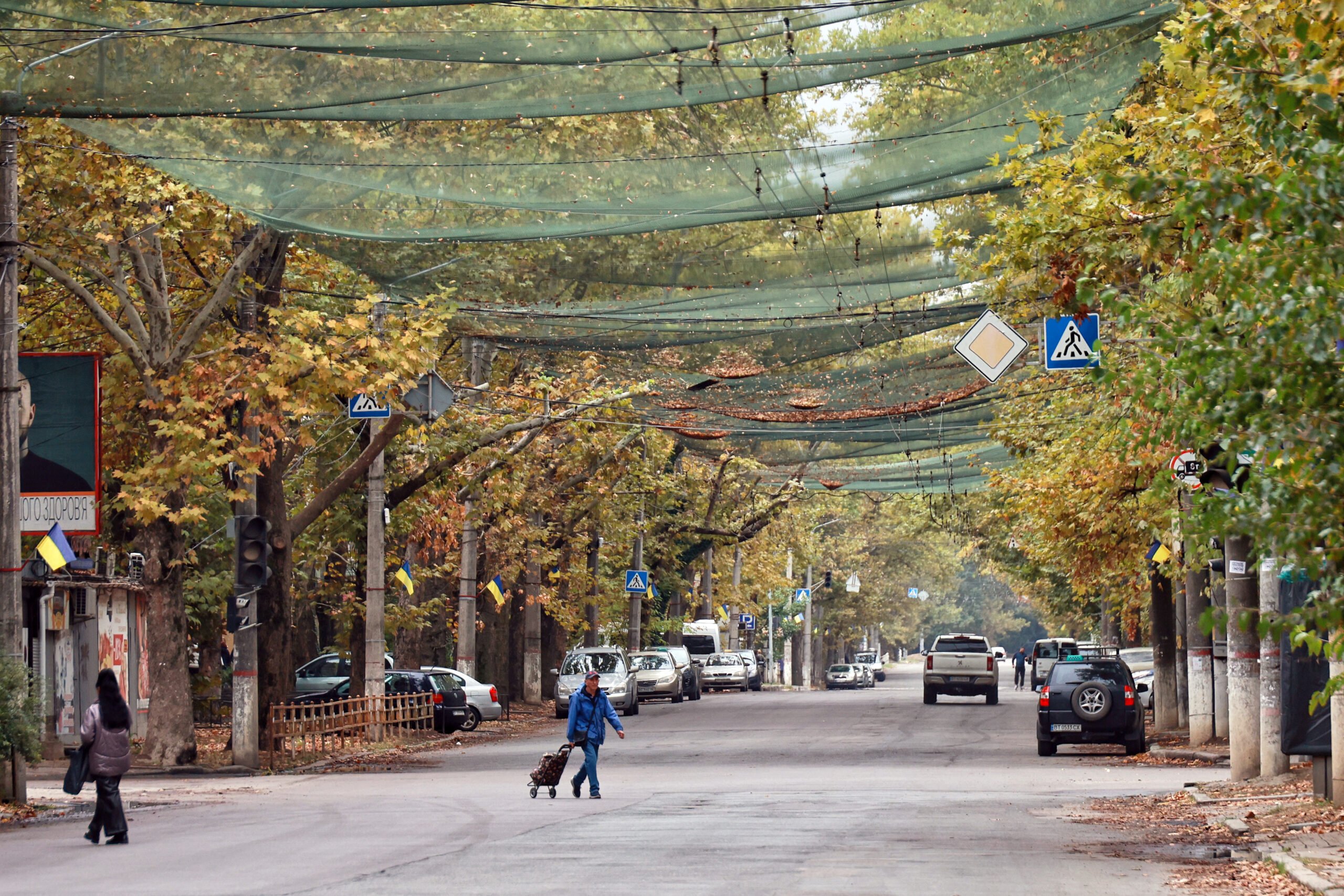
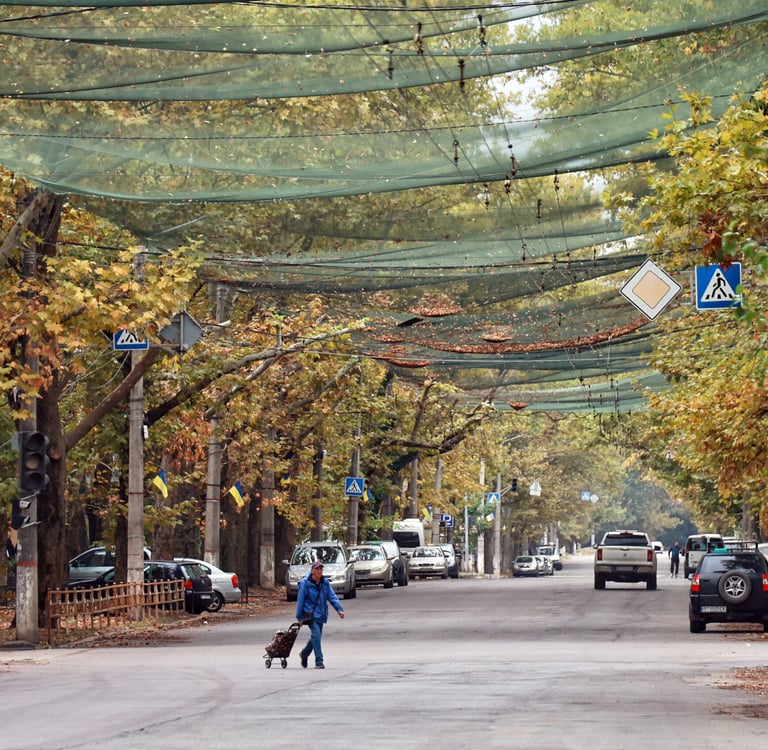
Olena Naumova, a humanitarian partner working with a local charity foundation in Kherson, lives under constant threat as Russian drone operators monitor the city in search of targets. This southern Ukrainian city has become a place where civilians are exposed to continuous danger from real-time surveillance attacks (атаки з моніторингом у реальному часі) [ataky z monitorynhom u realnomu chasi] and targeted civilian strikes (цілеспрямовані удари по цивільних) [tsilespriamovani udary po tsyvilnykh]. On April 4, a shell struck a transport stop just 50 meters from her location, killing a 55-year-old nurse instantly and injuring at least five others. Within an hour, ten artillery strikes hit her neighborhood, forcing her to remain inside, overwhelmed by fear and uncertainty.
"Prayed that it wouldn't hit the house, or if it did, that I would go straight to God," she told me. "I don't want pain, mutilation, or suffering! Better to go instantly." Her words reflect the psychological toll of constant bombardment stress (стрес від постійних обстрілів) [stres vid postiinykh obstriliv] and the deep fear experienced by civilians living under indiscriminate shelling conditions (умови невибіркових обстрілів) [umovy nevybirkovykh obstriliv]. Since Kherson was liberated in late 2022, Russian forces have remained positioned across the Dnipro River, enabling them to carry out attacks without direct engagement.
Rather than relying on expensive missile systems, Russian forces increasingly deploy cheap commercial drones to track and attack civilians. Locals have named this tactic the “human safari,” describing a pattern of deliberate civilian targeting (навмисне націлювання на цивільних) [navmysne natsiliuvannia na tsyvilnykh] and low-cost drone warfare (дешева війна з використанням дронів) [desheva viina z vykorystanniam droniv]. Operators observe individuals in real time, selecting targets such as pedestrians, families, or vehicles, and launching attacks while recording the events. This method transforms violence into a calculated, personalized act, intensifying its psychological and humanitarian impact.
The situation in Kherson is distinguished by the level of direct human involvement in each attack. Drone operators, positioned safely across the river, visually identify individuals before deciding to strike. This process represents a form of remote-controlled violence (дистанційно кероване насильство) [dystantsiino kerovane nasylstvo] and contributes to the perception of the city as a civilian hunting zone (зона полювання на цивільних) [zona poliuvannia na tsyvilnykh]. Entire neighborhoods, such as the Korabelny district, which were once vibrant and populated, have been transformed into areas where movement can result in immediate danger.
Recent incidents illustrate the severity of the situation. Sisters Iryna Snihur and Maryna Stupak were killed on the same day, while another drone targeted a 10-year-old girl and her mother using a “Molniya” drone. That same night, an 80-year-old woman’s yard was struck. These attacks demonstrate a consistent pattern of systematic civilian endangerment (систематичне наражання цивільних на небезпеку) [systematychne narazhannia tsyvilnykh na nebezpeku] and the normalization of daily lethal risk exposure (щоденний ризик смертельної небезпеки) [shchodenyi ryzyk smertelnoi nebezpeky] for residents.
"Half of the city is a nearly dead 'red zone,' which the enemy pummels daily," Olena told me. "But the most terrifying thing is the drones. They don't care if a person is young or elderly. They destroy civilian homes, apartments, and any car that catches their eye." Her testimony highlights the indiscriminate nature of attacks and the destruction of civilian infrastructure damage (пошкодження цивільної інфраструктури) [poshkodzhennia tsyvilnoi infrastruktury] alongside population displacement pressure (тиск, що спричиняє переміщення населення) [tysk shcho sprychyniaie peremishchennia naselennia].
Humanitarian operations have also become increasingly dangerous. Volunteers delivering food and basic supplies face constant surveillance from drones, turning aid distribution into a high-risk activity. The presence of drones creates humanitarian access barriers (перешкоди для гуманітарного доступу) [pereshkody dlia humanitarnoho dostupu] and forces civilians to make life-threatening decisions about whether to leave shelter in search of food. In many cases, individuals must weigh the risk of starvation against the threat of being targeted while moving through the city.
Oleksandr Kolotyk, a volunteer, described the extreme measures required to navigate the area. "We drive 100–140 km/h (62–87 mph) through the city, holding onto a small hope that a drone won't be able to catch up." This reflects the reality of high-risk mobility strategies (стратегії пересування з високим ризиком) [stratehii peresuvannia z vysokym ryzykom] adopted by civilians and aid workers. Even routine movement has become a survival tactic under constant aerial observation.
Daily life is further shaped by environmental conditions. Clear weather increases visibility for drone operators, forcing residents to remain indoors. When leaving their homes is unavoidable, people listen carefully for the distinctive sound of drones before stepping outside. This constant vigilance illustrates the impact of persistent aerial threat (постійна повітряна загроза) [postiina povitriana zahroza] and psychological survival behavior (поведінка виживання під психологічним тиском) [povedinka vyzhyvannia pid psykholohichnym tyskom].
Natalia Serhiienko, who leads a local humanitarian organization, continues to operate under these conditions. "Every trip we take to deliver humanitarian aid is a risk," she explained. "A real, daily risk, without exaggeration. We risk not only our own lives and the lives of our volunteers; we understand that during aid distributions, civilians who simply come to get the essentials for survival can also come under fire." Her experience underscores the dangers faced by those engaged in frontline humanitarian work (гуманітарна робота на передовій) [humanitarna robota na peredovii] and highlights the broader civilian protection challenges (виклики захисту цивільних) [vyklyky zakhystu tsyvilnykh].
Drone operators often record attacks and share the footage online, sometimes editing it for entertainment purposes. This practice transforms violence into digital content, raising concerns about war crime documentation evidence (докази документування воєнних злочинів) [dokazy dokumentuvannia voiennykh zlochyniv] and the spread of digitalized violence propaganda (пропаганда цифровізованого насильства) [propahanda tsyfrovizovanoho nasylstva]. The availability of such footage has also increased calls for international legal action.
The article emphasizes that international prosecutors should use available evidence to initiate legal proceedings, while governments are urged to strengthen enforcement of sanctions to prevent drone components from reaching Russia. At the same time, aid workers require practical tools such as detection systems to improve their safety. These measures are part of broader international response measures (міжнародні заходи реагування) [mizhnarodni zakhody reahuvannia] aimed at addressing the crisis and ensuring accountability.
Despite the dangers, humanitarian workers continue their efforts. As Natalia stated, "if not us, then who?" The resilience of Kherson’s residents and volunteers highlights both the human cost of the conflict and the urgent need for sustained international support to restore safety and justice in the region.
Key Ukrainian Vocabulary
атаки з моніторингом у реальному часі [ataky z monitorynhom u realnomu chasi] real-time surveillance attacks
цілеспрямовані удари по цивільних [tsilespriamovani udary po tsyvilnykh] targeted civilian strikes
стрес від постійних обстрілів [stres vid postiinykh obstriliv] constant bombardment stress
умови невибіркових обстрілів [umovy nevybirkovykh obstriliv] indiscriminate shelling conditions
навмисне націлювання на цивільних [navmysne natsiliuvannia na tsyvilnykh] deliberate civilian targeting
дешева війна з використанням дронів [desheva viina z vykorystanniam droniv] low-cost drone warfare
дистанційно кероване насильство [dystantsiino kerovane nasylstvo] remote-controlled violence
зона полювання на цивільних [zona poliuvannia na tsyvilnykh] civilian hunting zone
систематичне наражання цивільних на небезпеку [systematychne narazhannia tsyvilnykh na nebezpeku] systematic civilian endangerment
щоденний ризик смертельної небезпеки [shchodenyi ryzyk smertelnoi nebezpeky] daily lethal risk exposure
пошкодження цивільної інфраструктури [poshkodzhennia tsyvilnoi infrastruktury] civilian infrastructure damage
тиск, що спричиняє переміщення населення [tysk shcho sprychyniaie peremishchennia naselennia] population displacement pressure
перешкоди для гуманітарного доступу [pereshkody dlia humanitarnoho dostupu] humanitarian access barriers
стратегії пересування з високим ризиком [stratehii peresuvannia z vysokym ryzykom] high-risk mobility strategies
постійна повітряна загроза [postiina povitriana zahroza] persistent aerial threat
поведінка виживання під психологічним тиском [povedinka vyzhyvannia pid psykholohichnym tyskom] psychological survival behavior
гуманітарна робота на передовій [humanitarna robota na peredovii] frontline humanitarian work
виклики захисту цивільних [vyklyky zakhystu tsyvilnykh] civilian protection challenges
докази документування воєнних злочинів [dokazy dokumentuvannia voiennykh zlochyniv] war crime documentation evidence
пропаганда цифровізованого насильства [propahanda tsyfrovizovanoho nasylstva] digitalized violence propaganda
міжнародні заходи реагування [mizhnarodni zakhody reahuvannia] international response measures
Russia's 'human safari' in southern Ukraine is a warning to the world.
Learn the official language of Ukraine in 30 days thanks to the most complete grammar, vocabulary and culture course available.
Start speaking Ukrainian today!


For requests or suggestions: pr@learnukrainian.org
© 2026 Ukraine
Support Ukraine in its fight for Freedom: